

How Long Is An Inning In Baseball?

Ever found yourself at a ballpark wondering how long an inning really is? You might think it’s an easy question. But spoiler alert: the answer can be as wild as a high-flying home run. An inning is not always just a clock-watching affair, and understanding its length can enhance your whole baseball experience. Let’s immerse and uncover the intricacies of this pivotal part of the game.
Understanding Innings in Baseball
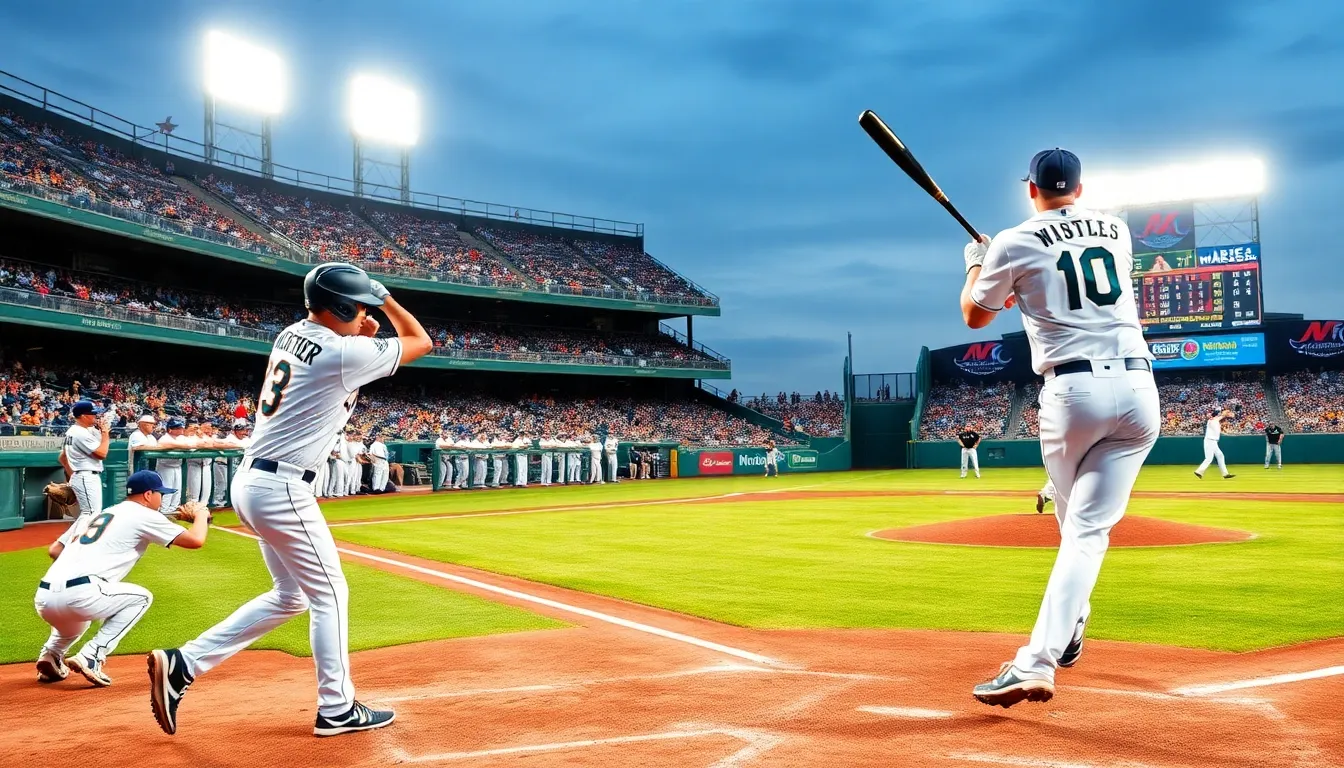
In baseball, an inning represents a fundamental unit of play, where each team gets a chance to bat and score runs. But what does that mean for the game’s structure? Each inning is divided into two halves: the top and the bottom. In the top half, the visiting team bats, while the home team takes the field in the bottom half, where they aim to prevent runs from crossing the plate.
Picture this: a team’s defense is as vital as its offense. If the batting team scores more runs than the opposing team can tally in the equivalent number of outs, that inning has successfully come to a close. But if the batting team manages to get three outs quickly, it’s their turn to switch places.
In essence, an inning encapsulates the back-and-forth drama of America’s favorite pastime. Each play counts, and the excitement escalates with every pitch. Though one might initially think of an inning as merely a slice of the game, it symbolizes much more, it’s a mini theater of strategy, skill, and teamwork.
Standard Duration of An Inning
The standard duration of an inning in baseball is regulated primarily by the number of outs recorded, rather than a strict time limit. Generally, an inning lasts until six outs are made, three outs for each team. This could mean lightning-fast innings if the defense excels, or a drawn-out affair if the batter’s facing a tough pitcher.
Statistically speaking, an average inning tends to run between 15 to 20 minutes. But, that can vary, often extending to 30 or more minutes during intense moments or if the offense puts together a rally. Remarkably, there’s no official time constraint, allowing for the thrill of the game to dictate the flow. It’s an organic and unpredictable dance of bat and ball, much like a rollercoaster ride where surprises await around every corner.
Factors Affecting Inning Length
Several factors come into play affecting how long an inning lasts. First off, the offense’s performance has a significant impact. If a team is hitting well, scoring runs swiftly, they might stretch an inning longer than a ten-minute wait at a drive-thru.
Conversely, if the pitching team is in the zone, think of an ace pitcher making life miserable for batters, the outs can pile up quickly, speeding up the inning. Also, the opposing defense’s skill set plays a crucial role. Defensive errors can prolong an inning unexpectedly, leading to additional opportunities for the batting team.
Weather conditions can also be a game-changer. On particularly hot days, players may take longer between pitches to cool down, inadvertently dragging out the time. And let’s not forget the intensity of the moment. Close games can lead to protracted discussions between players and managers, which can elongate those crucial seconds. Every baseball fan knows these elements can unpredictably dictate the ebb and flow of an inning.
Comparison With Other Sports
When you take a look at other sports, the inning structure of baseball offers a unique experience. Let’s consider a few. In basketball, for instance, quarters carry a strict time limit, usually 12 minutes in the NBA. The game is a constant whirl, with the clock relentlessly ticking away. In soccer, each half lasts 45 minutes. And even though stoppage time is applied, there’s a clear expectation of duration.
Historical Changes in Inning Duration
Historically, baseball has evolved, too. In the earlier days, back when it all began, innings were often shorter, reflecting a more straightforward version of the game. There was less emphasis on strategy and more on pure athleticism.
Modern Rules Influencing Inning Length
Modern rules, but, have changed the dynamics. The introduction of the designated hitter in the American League has influenced how teams strategize at bat, adding a layer of complexity that can lengthen innings due to the emphasis on offense and tactics. Pitch clocks are now being discussed in Major League Baseball (MLB) circles to add some rhythm back into the game, perhaps reducing the traditional duration of innings in the near future.
Impact of Extra Innings on Game Time
Extra innings can be the most exhilarating part of a baseball game. When a game is tied, these additional innings can extend the contest indefinitely. Each extra inning introduces new possibilities, offering fans a chance to see heroes emerge. But, this also means a significant impact on overall game time, shifting the usual game length from around three hours to much longer in nail-biting situations.
Teams strategizing during extra innings often leads to intrigue. Managers might switch pitchers frequently, optimizing every opportunity to claim victory. Fans can feel the tension building as the game progresses, with excitement hanging in the air. As a result, every moment takes on monumental significance, especially when stakes are high. It’s in these critical innings that legends can be born.